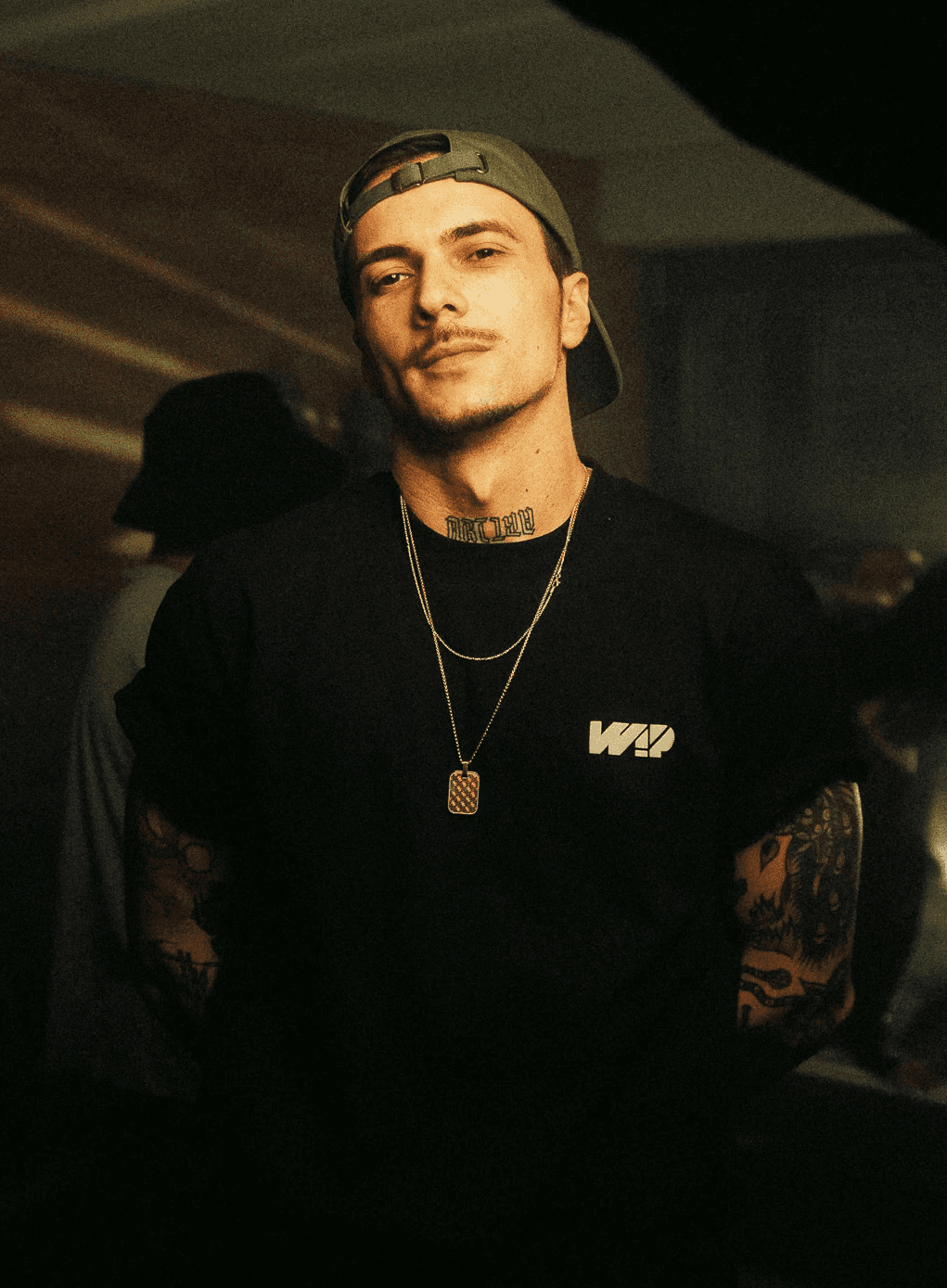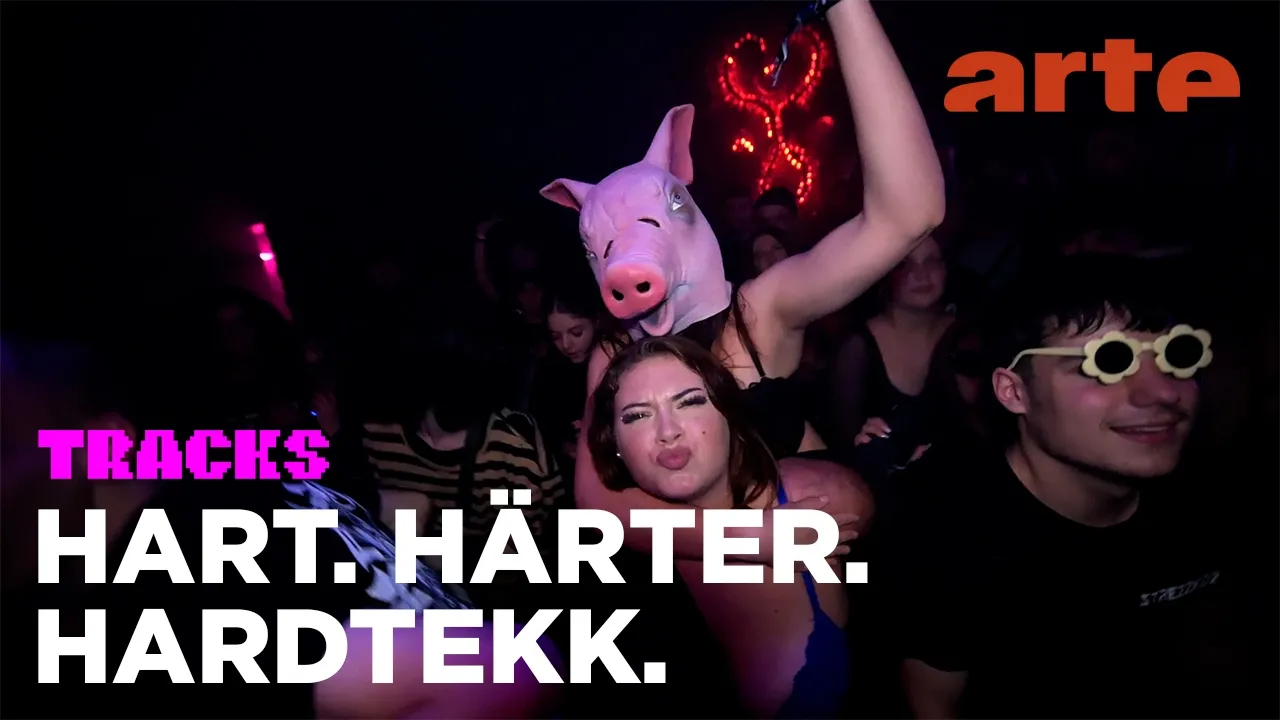
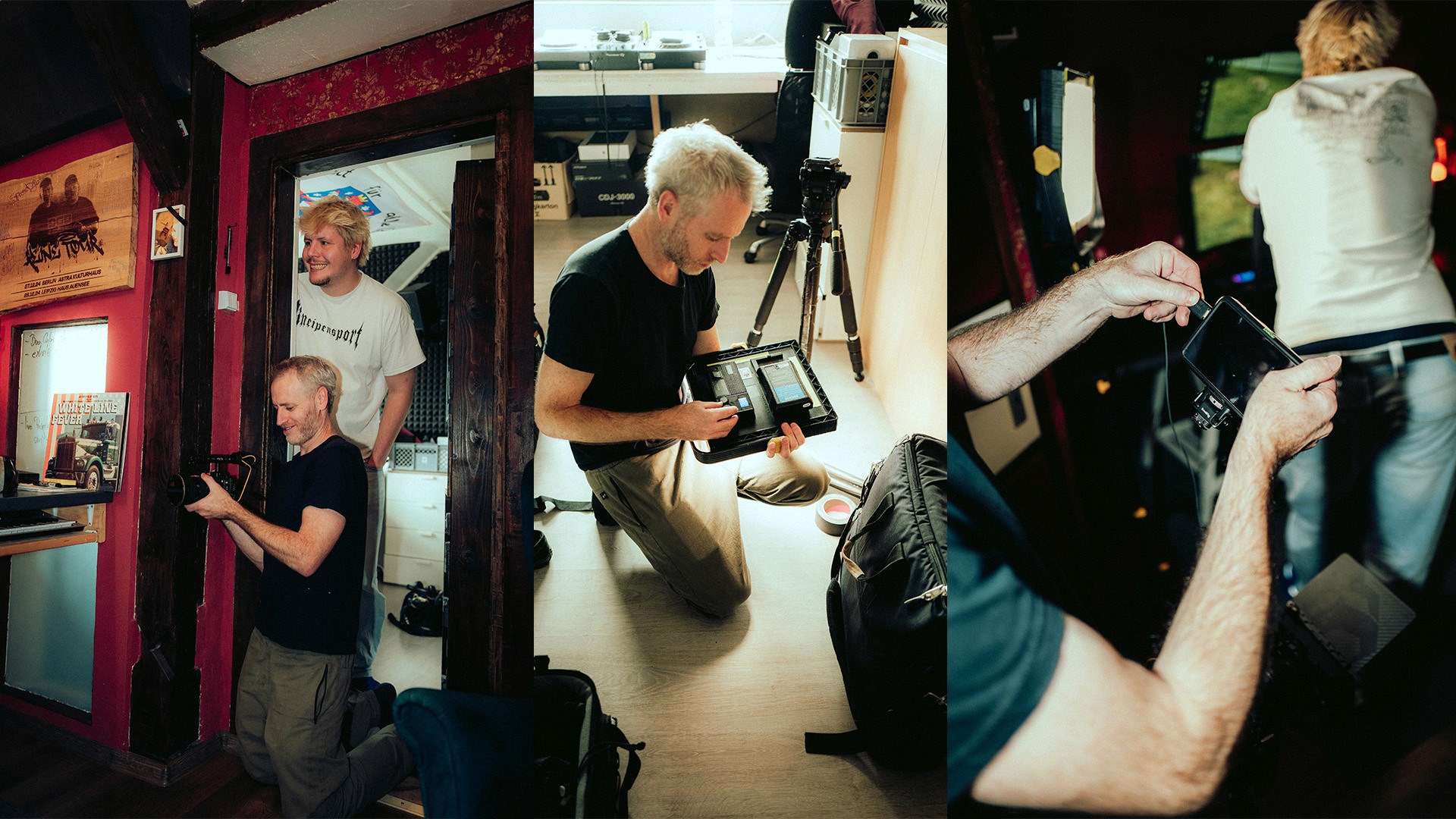
I took care of camera and sound myself and stepped into a world I had never experienced before. Fabitekk, still rising in the scene, carried this raw energy that made the whole shoot feel electric. I was with him in the club while he played his set, and the room just trembled. In that moment the culture finally clicked for me. My approach was straightforward. Keep the footprint small, stay quick, stay out of sight. A minimal setup, clean audio and just enough light to keep things honest. I didn’t want to shape the night in any direction. I wanted to catch the truth of what unfolded in front of me, letting the crowd, the heavy bass and the artists tell the story themselves.
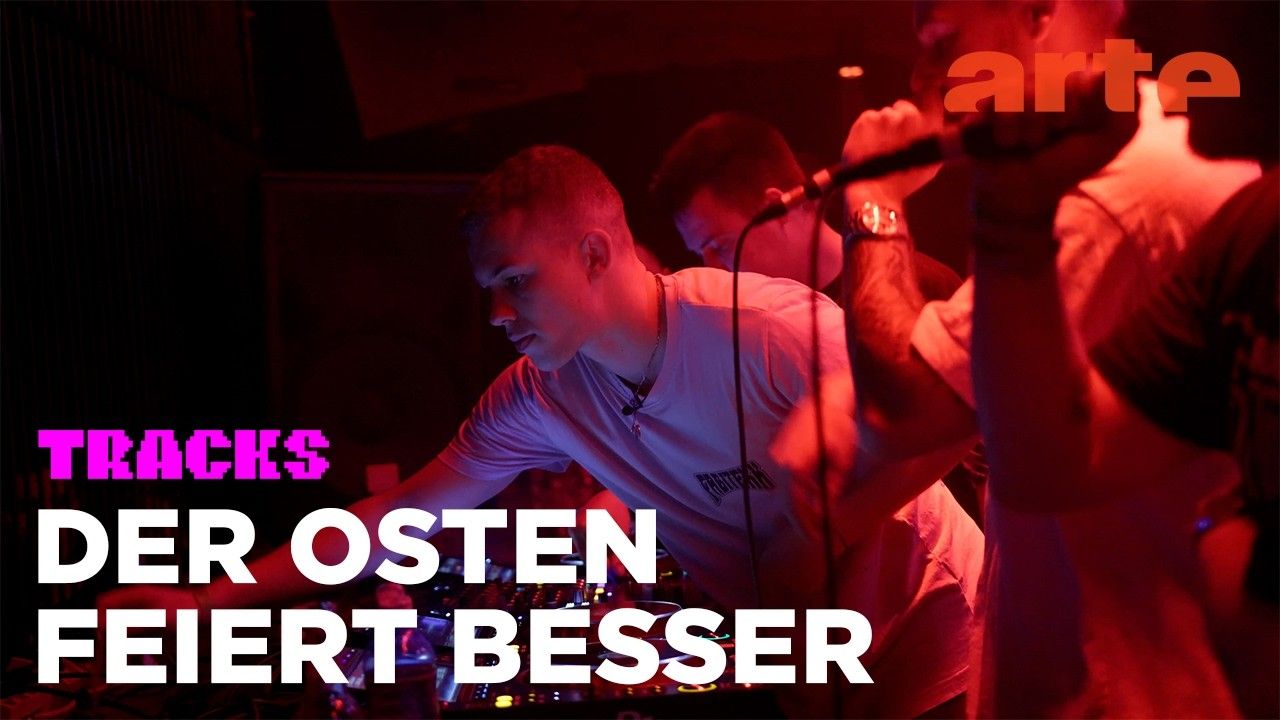
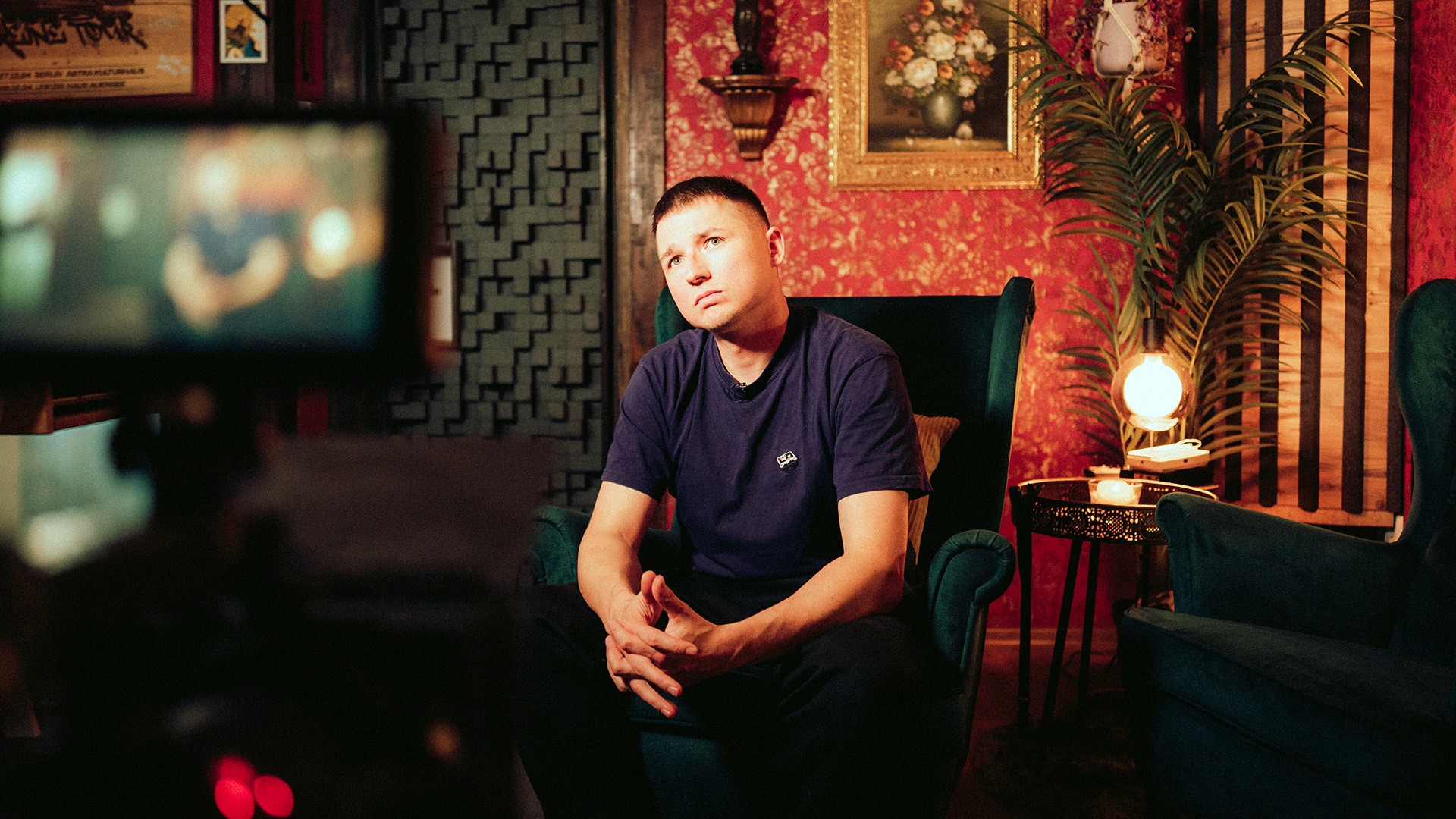
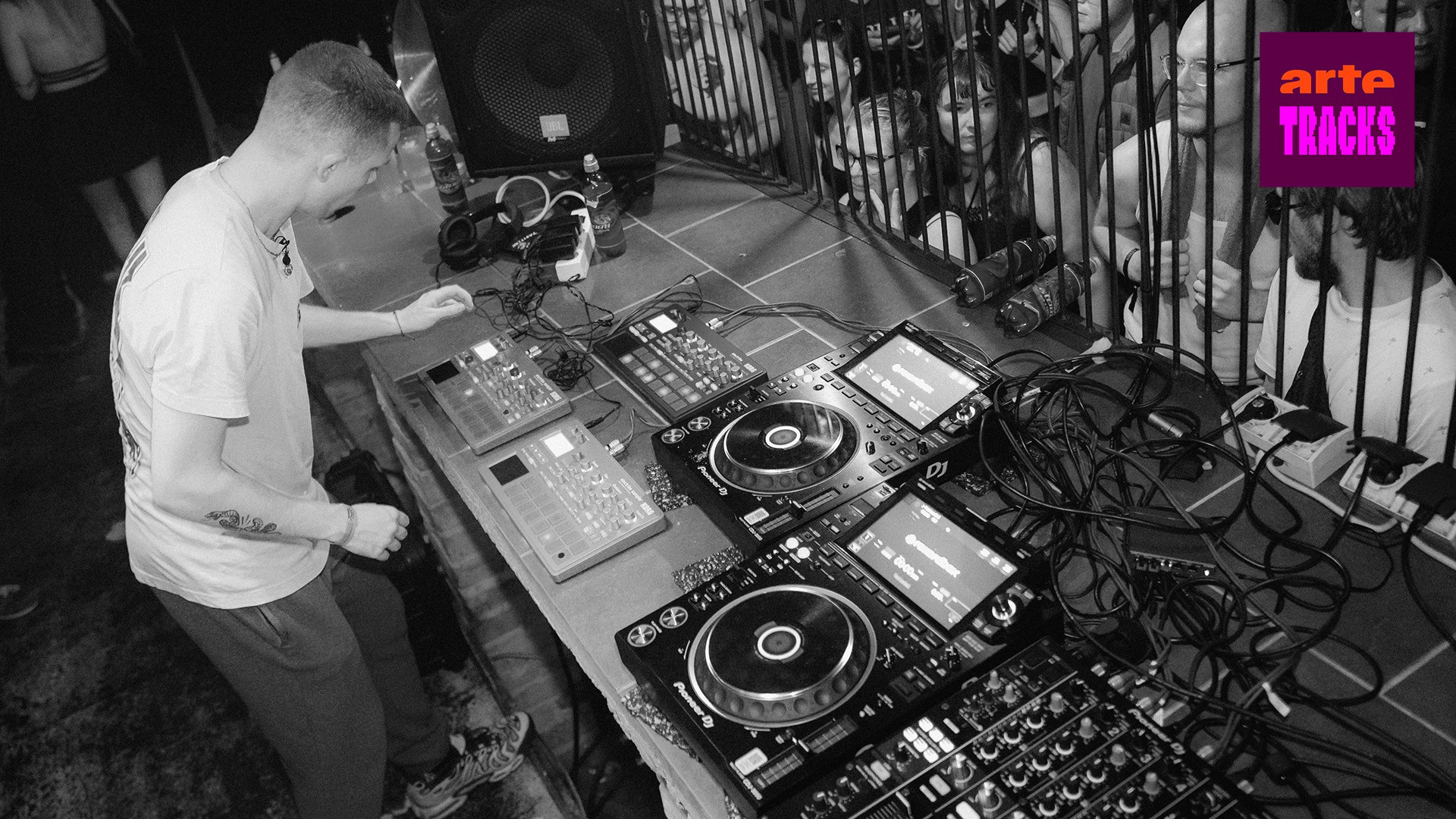
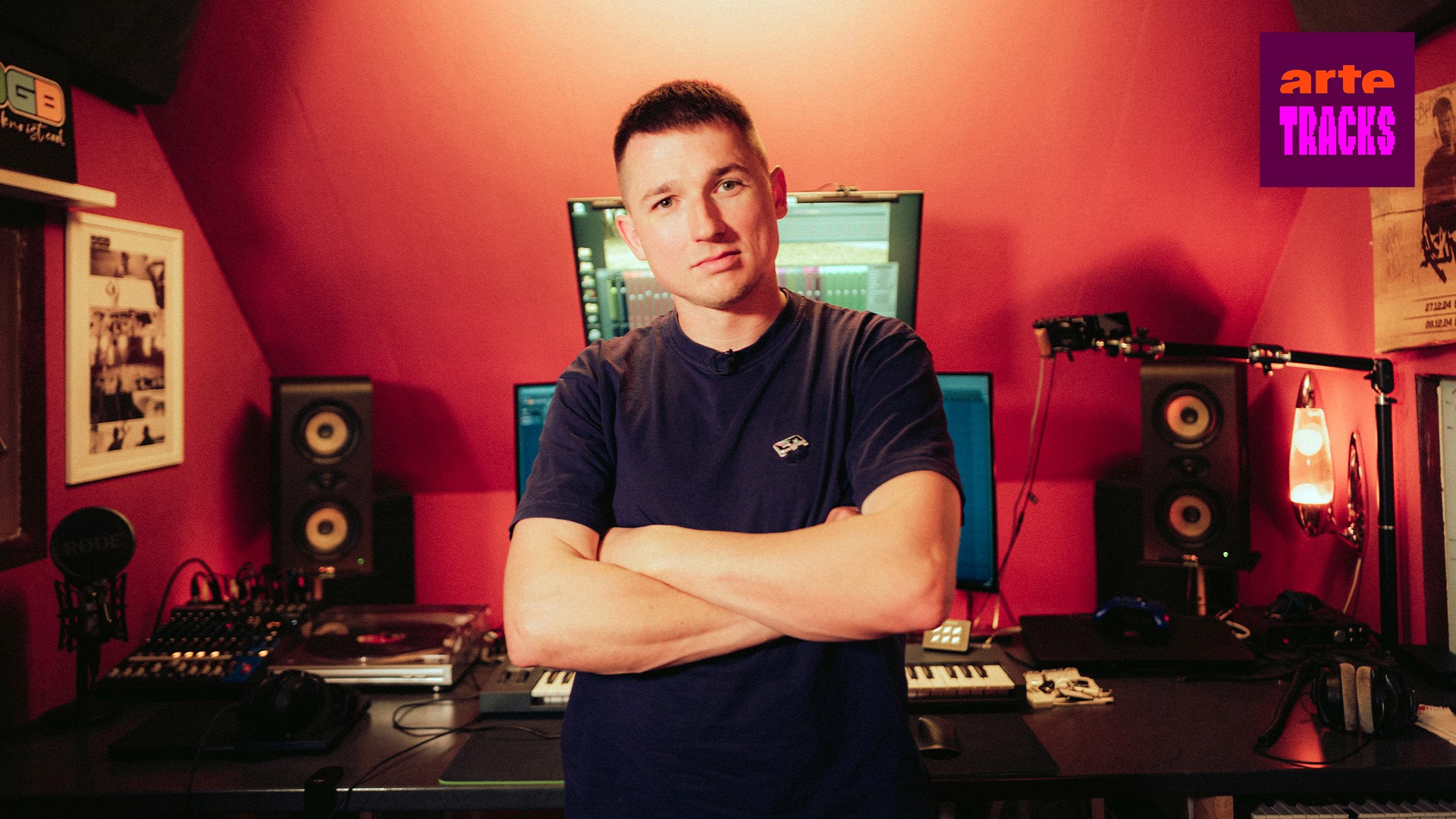
This shoot opened a door into a scene powered by intensity, resilience, and community. Hardtekk isn’t just a genre, it’s a stance: against hate, against narrow minds, and for the freedom to lose yourself for a few hours under heavy, distorted kicks. But the culture also carries a very real struggle: parts of the outside world try to pull it toward right wing imagery and narratives. In the documentary, we wanted to confront that tension head on to question it, expose it, and show the voices inside the scene who refuse to let Hardtekk be hijacked. Capturing that felt like documenting a culture in motion, one that keeps defending itself and carving out its own space. It left me with deep respect for the people behind it, their passion, their grit, and the way they protect what the dancefloor means to them.
Next projects.
(2016-26)